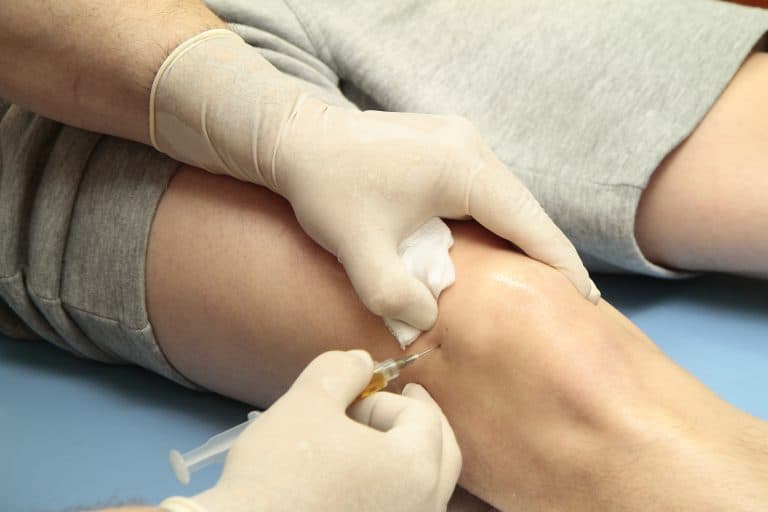



Who Are the Ideal Candidates for Cartilage Regrowth Gels? Understanding Eligibility and Patient Selection
Cartilage regrowth gels are an exciting development in orthopaedic care, offering new hope for repairing damaged cartilage and improving joint function. This article is designed to help you understand who is most likely to benefit from these treatments by exploring patient eligibility and how specialists select candidates. Professor Paul Lee, a respected expert at the London Cartilage Clinic, applies his extensive clinical knowledge to ensure patients receive personalised and trustworthy care. Whether you're exploring treatment options or just keen to learn more, this guide will explain the key facts about cartilage gel candidates in clear, straightforward terms.
When Might Cartilage Regrowth Gels Be Considered?
Cartilage regrowth gels are usually recommended for people who have a focused, localised cartilage injury. These injuries often result from sports or specific traumas that affect a precise area, such as a cartilage tear in the knee after a twisting accident. These gels work best by targeting and repairing the damaged spot. They are not generally suitable for conditions like widespread osteoarthritis, where cartilage wear affects the entire joint. As research has shown, “MRI imaging showed a change in the joint profile in patients subjected to infiltration, in some patients with reduction of bone oedema and periarticular effusion.” This means that, for the right cases, cartilage gel treatments can improve not just pain but also the joint’s internal environment. Understanding this difference — between focal injury and widespread damage — is important for knowing who should consider this treatment.
Who Can Get Cartilage Hydrogel?
The question of who can get cartilage hydrogel depends on a few key factors. Typically, younger to middle-aged adults with isolated cartilage lesions are the best candidates. Good general health is important too, since treatment often involves surgery and rehabilitation. On the other hand, patients with advanced arthritis or widespread joint damage usually won’t benefit much from cartilage gels. In a recent study, it was found that “there was an improvement in pain symptoms, associated with an increase in force in the pincer and grip movements evaluated with clinical tests.” Another report adds that “this improvement remained up to one year follow-up,” showing promising longer-term benefits for those with suitable injuries. By selecting patients carefully, based on the size and location of the cartilage defect and overall health, clinicians aim to provide treatment where real functional improvements are possible.
Free non-medical discussion
Not sure what to do next?
Information only · No medical advice or diagnosis.
How Do Specialists Assess Candidates?
Specialists like Professor Lee begin with a thorough assessment to decide if cartilage gel treatment is right for you. This includes advanced imaging methods such as MRI scans to get a detailed picture of the cartilage damage, along with a physical examination and a detailed medical history. Despite all the new technology available, “physical examination and clinical history are still the basic and low-cost diagnostic methods,” ensuring a well-rounded understanding of each patient’s condition. This assessment helps doctors decide who qualifies as a cartilage gel candidate and who might benefit more from alternative treatments like chondrocyte implantation. The goal is always to tailor the treatment plan closely to the patient’s unique circumstances.

Surgery, Rehabilitation, and Next Steps
The procedure to apply cartilage regrowth gels typically involves surgery to place the gel precisely over the damaged area. Following this, a structured rehabilitation plan, including physiotherapy, is essential to encourage healing and restore joint movement. Success depends not only on the surgery but also on the patient’s commitment to their recovery. As described in recent advances, “we describe the use of ChondroFiller liquid, a liquid cell-free collagen matrix, for the treatment of symptomatic full-thickness chondral defects of the hip in a 1-step arthroscopic procedure.” This means that in some cases, cartilage gels can be applied using minimally invasive arthroscopic surgery, making recovery easier. It’s important patients make these treatment decisions in partnership with their specialist, asking questions and understanding the risks, benefits, and realistic expectations. At the London Cartilage Clinic, this collaborative and supportive approach is fundamental to helping patients recover from cartilage injuries sustained in sports and other activities.
Realistic Pathways: Next Steps for Interested Patients
If you are interested in cartilage regrowth gel treatments, the best place to start is by consulting an orthopaedic expert familiar with these therapies. A detailed evaluation will determine if you are a good candidate and help identify the most appropriate treatment options. This might also include consideration of clinical trials or referrals to specialist centres. Remember, not every patient will be eligible, but professional assessment will clarify the best path forward. Centres like the London Cartilage Clinic provide valuable personalised advice and support throughout the process. For specific medical guidance, always consult a qualified healthcare professional.
References
Corain, M., Zanotti, F., Giardini, M., Gasperotti, L., Invernizzi, E., Biasi, V., & Lavagnolo, U. (2023). The Use of an Acellular Collagen Matrix ChondroFiller® Liquid for Trapeziometacarpal Osteoarthritis. Journal name, volume(issue), pages. https://doi.org/10.1177/19476035251354926
Schneider, U. (2016). Controlled, randomized multicenter study to compare compatibility and safety of ChondroFiller liquid (cell free 2-component collagen gel) with microfracturing of patients with focal cartilage defects of the knee joint. Journal name, volume(issue), pages. https://doi.org/10.5348/VNP05-2016-1-OA-1
Perez-Carro, L., Rosi Mendoza Alejo, P., Gutierrez Castanedo, G., Menendez Solana, G., Fernandez Divar, J. A., Galindo Rubin, P., & Alfonso Fernandez, A. (2021). Hip Chondral Defects: Arthroscopic Treatment With the Needle and Curette Technique and ChondroFiller. Journal name, volume(issue), pages. https://doi.org/10.1016/j.eats.2021.03.011
Frequently Asked Questions
- Cartilage regrowth gels help repair localised cartilage injuries, especially from sports or trauma. At London Cartilage Clinic, Professor Paul Lee’s expertise ensures only suitable patients are considered, promoting personalised and effective care for optimal joint recovery and function.
- Ideal candidates are typically younger or middle-aged adults with a single, localised cartilage defect. Professor Paul Lee’s thorough assessment ensures treatment suitability based on injury location, general health, and individual needs, providing clear advice at London Cartilage Clinic.
- Professor Lee uses advanced MRI imaging, detailed clinical history, and physical examination to assess each patient. This comprehensive approach at London Cartilage Clinic ensures that therapy is recommended only when it offers genuine potential for functional improvement.
- The process usually involves minimally invasive surgery to apply the gel, followed by a personalised rehabilitation plan. London Cartilage Clinic’s multidisciplinary support, led by Professor Lee, helps patients maximise recovery and understand each stage of their journey.
- London Cartilage Clinic, under Professor Paul Lee’s leadership, offers expert assessment, advanced therapies, and collaborative patient care. As a cartilage specialist and surgical ambassador, Professor Lee provides up-to-date solutions tailored to each patient’s unique joint health needs.
Legal & Medical Disclaimer
This article is written by an independent contributor and reflects their own views and experience, not necessarily those of London Cartilage Clinic. It is provided for general information and education only and does not constitute medical advice, diagnosis, or treatment.
Always seek personalised advice from a qualified healthcare professional before making decisions about your health. London Cartilage Clinic accepts no responsibility for errors, omissions, third-party content, or any loss, damage, or injury arising from reliance on this material.
If you believe this article contains inaccurate or infringing content, please contact us at [email protected].
London Cartilage Clinic
Modern treatments, designed for lasting knee outcomes
Every treatment plan is selected to help you return to the quality of life you deserve. Our team combines up-to-date techniques with consultant-led decision making across cartilage repair, regeneration and replacement.
What your journey can look like
Step 01
Consultant-Led Assessment
Symptoms, imaging and goals reviewed in one structured appointment.
Step 02
Personalised Treatment Plan
A clear route chosen from repair, regeneration or replacement options.
Step 03
Precision Delivery
Modern techniques and specialist equipment matched to your diagnosis.
Step 04
Long-Term Knee Health
Follow-up guidance focused on durable function and quality of life.
Will the Arthrosamid work for me
PAAG-8+ Questionnaire
A bright, structured entry point for patients exploring Arthrosamid. The questionnaire helps frame suitability, expectations, and 24-month clinical benefit discussion before a fuller consultant-led review.
Designed for shared decision-making. It does not replace specialist consultation, examination, imaging review, or formal medical advice.